

Ignition Interlock
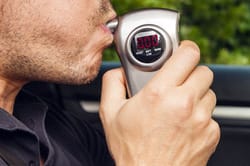
An Ignition Interlock is a device similar to a breathalyzer that measures the level of alcohol in a person’s system before they get behind the wheel of a vehicle. An individual must blow into the device before he or she can start the car. If the alcohol level in a person’s system is too high, the interlock device prevents the vehicle from starting. The engine will stay off until the person gives a clean breath sample.
How Does Ignition Interlock Work?
The Ignition Interlock requires an individual to take an initial test when first getting into his or her vehicle. If alcohol is first detected, the driver must wait a few minutes before retaking the test. If they fail again, the system locks them out for longer each time.
Some Ignition Interlock devices need random follow-up tests after the first test. A “rolling re-test” checks that the driver hasn’t drunk alcohol after the first test. During this re-test, the device will beep while the car is moving, asking the driver to give a breath sample. If alcohol is found, the device will alert the driver to stop the car by honking the horn and flashing the lights.
A majority of states use Ignition Interlock as an alternative to revoking driving privileges after convicting an individual of a DUI. It allows these individuals to continue working, attending school and participating in other routine activities.
Where Can I Get An Interlock Device Installed?
There are several providers who can install your interlock device. The Pennsylvania DUI Association provides a list of service center options for Pennsylvania drivers looking to install interlock devices in their vehicles. In New Jersey, DUI offenders must contact the New Jersey Motor Vehicle Commission for more information on installation.
We Are Here To Help
You must be approved for eligibility before you can have an Ignition Interlock installed in your vehicle. If a court convicted you of a DUI and you have questions about your eligibility for an interlock device, our attorneys can help.
To schedule a consultation, call our office at 908-454-3200. You can also contact us online if you have any questions.